Kolođvar, the castle in the marsh
The story of a medieval fortress guarded by marshland: the Kórógyi family, centuries of rise and fall, and a landscape that keeps the legend alive.
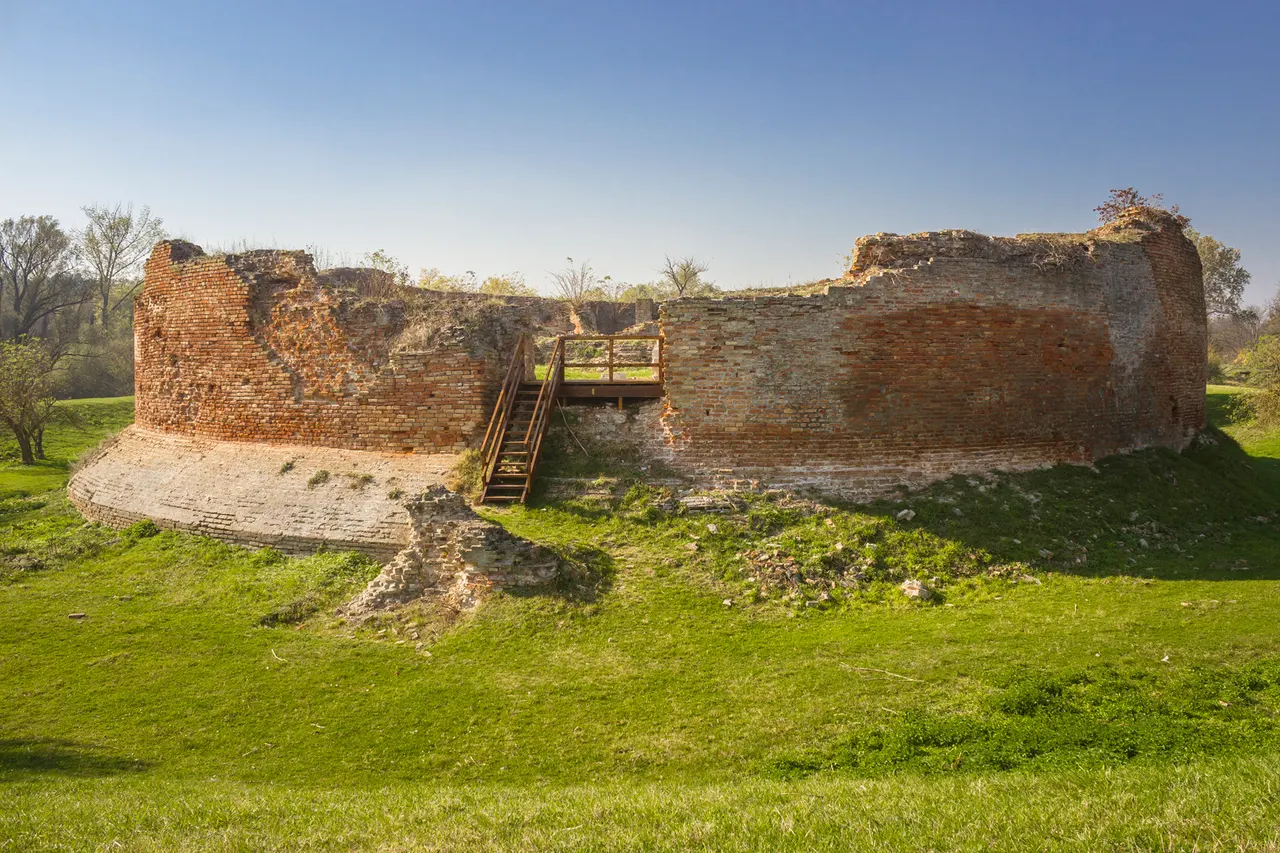
Standing by the walls of Kolođvar today, it is hard to imagine that this quiet spot on the plain was once one of the safest places in Slavonia. It wasn’t height that protected it, it was water.
A rampart of mud
Medieval builders chose cliffs and hilltops for their castles. The plain offers neither, so Kolođvar rose on the only natural rampart the lowlands could give: the marsh. Channels, reeds and bottomless mud stopped armies more effectively than stone. The fortress could only be reached along narrow, hidden causeways known to locals alone.
Lords who bore the castle’s name
For centuries the fortress was the seat of the Kórógyi family, they took their name from it, and with them Čepin first entered the greater histories: royal grants, disputes, alliances and the wars of the late Middle Ages. When the family line died out in the 15th century, Kolođvar’s long dusk began: new lords, Ottoman conquest, and finally centuries in which the fortress was left alone with the birds.
What remains
What remains are brick walls, a ground plan still legible in the terrain, and a landscape that has changed less since the Middle Ages than anywhere else nearby. The plain remembers longer than stone: come at dusk, when mist settles over the fields, and you will understand why legends are still told about Kolođvar.
If the story has pulled you in, Kolođvar is on the interactive map, some fifteen minutes from the centre of Čepin.